CCTV monitoring, alarm integration, connectivity and technical support.
AMSS provides Video Guard and e-Guard assessment, integration and technical support for applicable SIRA-regulated premises in Dubai.
Video Guard monitors CCTV system performance and faults, while SIRA describes e-Guard as its advanced version with alarm-system integration and automatic LTE backup if the primary WAN connection fails.
The applicable solution depends on the premises type, business activity and current SIRA requirements.
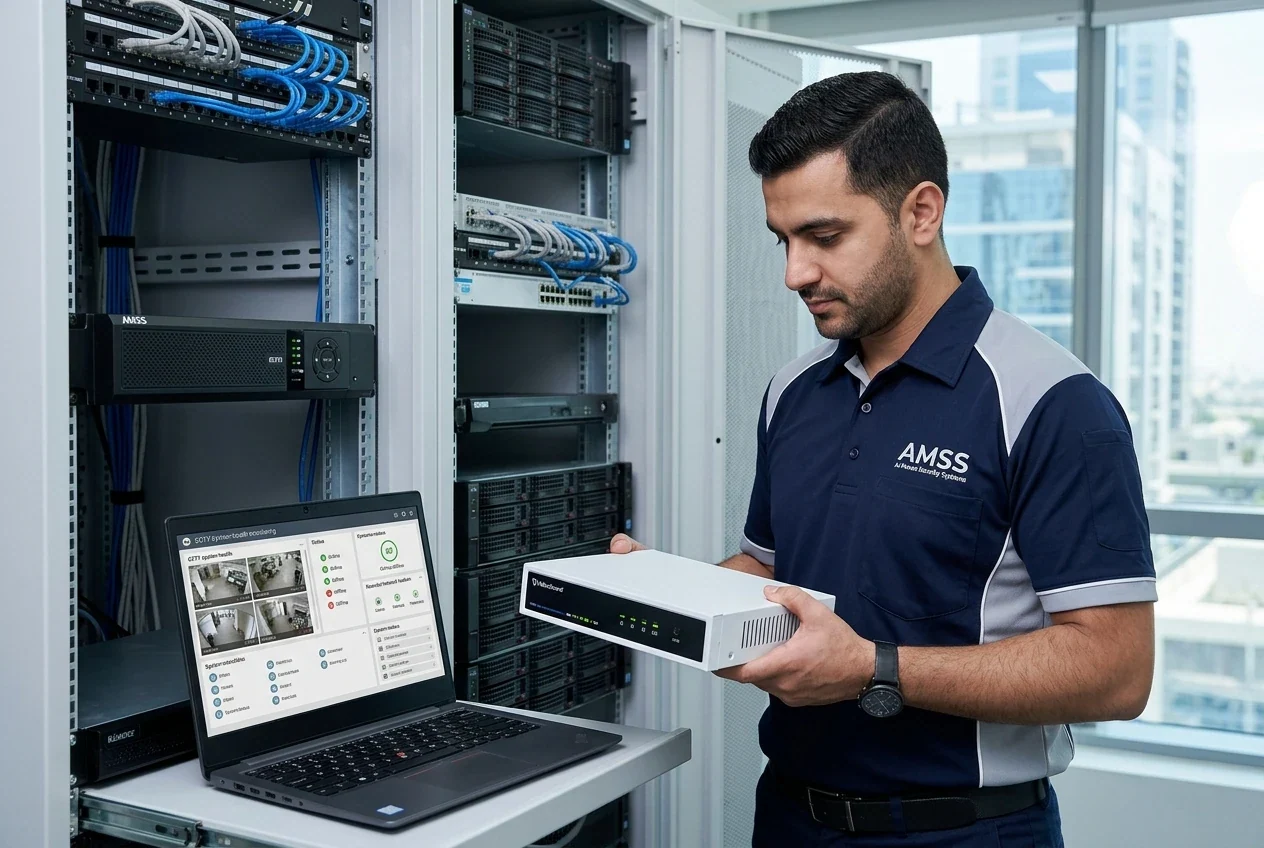
Cameras, recording and connectivity, checked together.
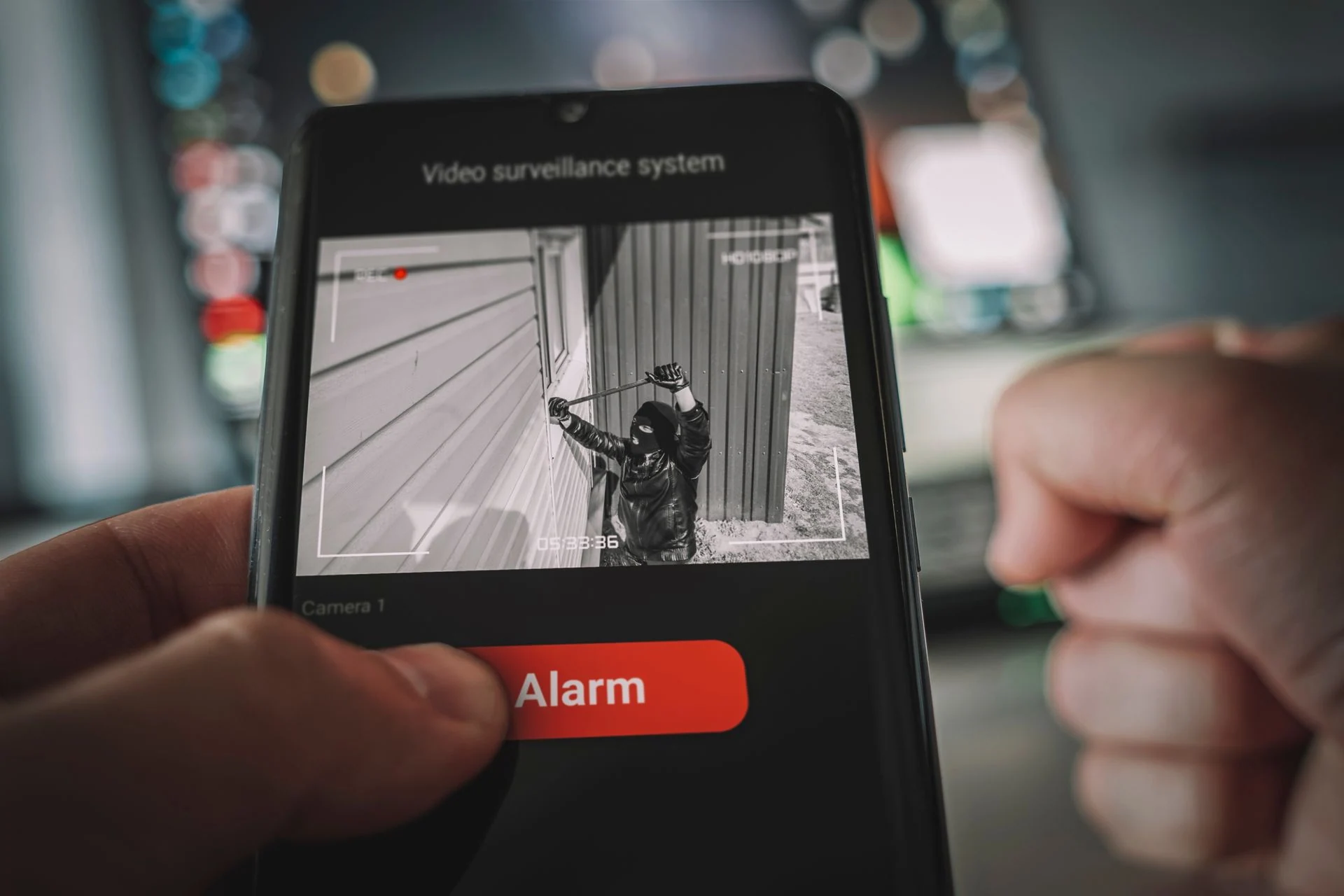
CCTV & Alarm Integration
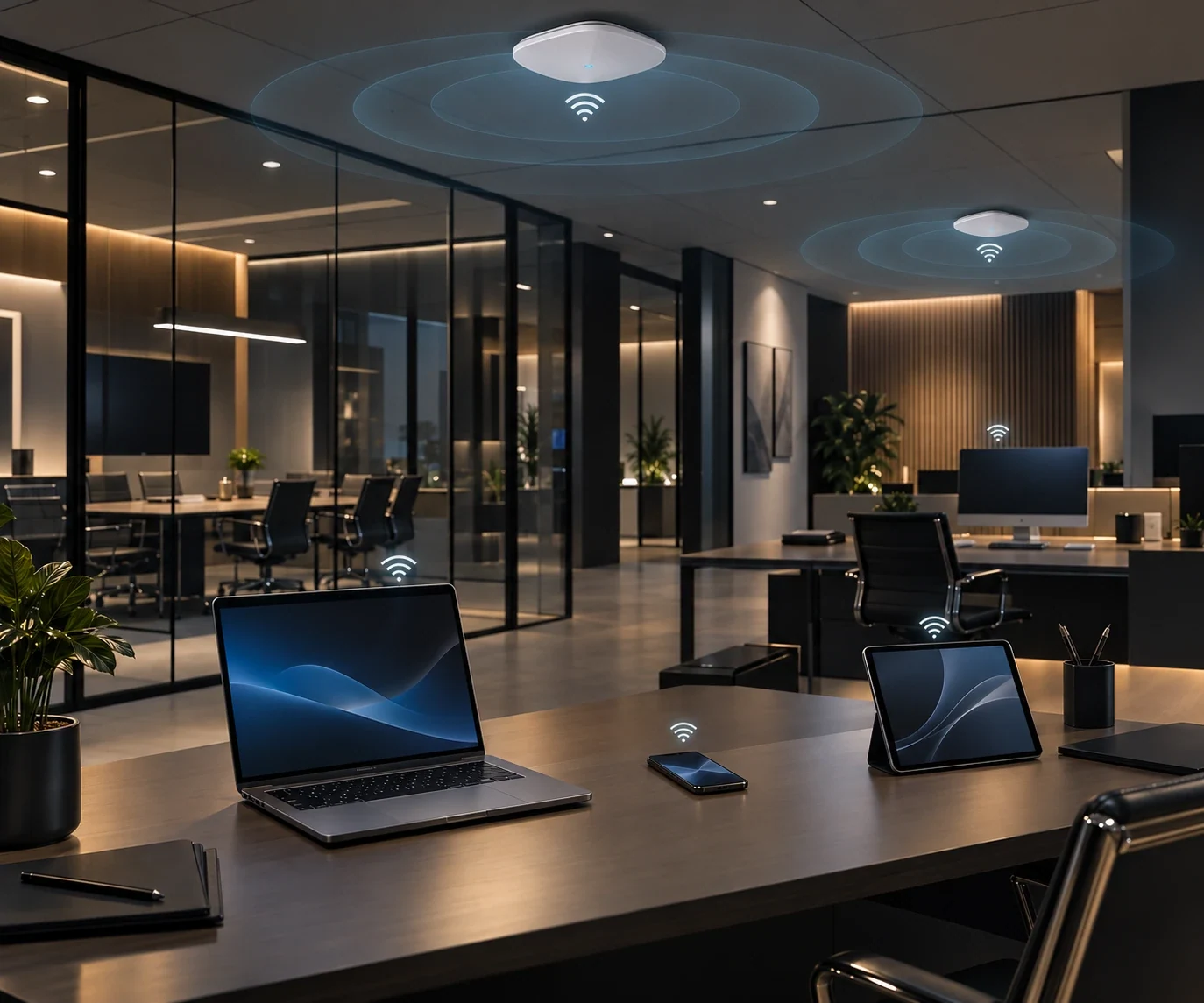
Network & WAN Connectivity
Testing & Rectification
Support & Maintenance
The basics
What are SIRA Video Guard and e-Guard?
SIRA describes Video Guard as a monitoring system for CCTV surveillance systems, monitoring system performance and faults to support continued operation.
e-Guard is identified by SIRA as the advanced version of Video Guard, with LTE backup so that LTE can automatically maintain connectivity if the main WAN connection fails. SIRA’s Arabic e-Guard page describes it as linking CCTV surveillance and intrusion-detection systems.
SIRA publishes both among its security partners’ services: Video Guard for CCTV monitoring, and e-Guard under the title Alarm System (e-Guard). Their application differs depending on the establishment and its security requirements.
Comparison
Video Guard vs e-Guard: What is the difference?
Two SIRA systems, each with its own official SIRA page. What each one covers:
01
Video Guard
Video Guard is SIRA’s monitoring system for CCTV surveillance systems. It monitors the performance and operational status of the CCTV environment and identifies faults so that problems can be detected and rectified.
It works alongside the site’s CCTV cameras, recorder and network infrastructure rather than replacing the CCTV system.
01CCTV system monitoring
02System-health and fault monitoring
03CCTV / recorder connectivity
04Network integration
05Applicable to specified SIRA-regulated activities
06Existing systems may be usable, subject to compatibility assessment
SIRA describes e-Guard as the advanced version of Video Guard. SIRA’s official information indicates integration with CCTV and intrusion-detection/alarm systems, together with LTE backup connectivity.
If the primary WAN connection fails, LTE operates automatically as backup, helping maintain connectivity.
01Advanced version of Video Guard
02CCTV integration
03Intrusion-detection / alarm-system integration, where applicable
04Primary WAN connectivity
05Automatic LTE backup if WAN fails
06Relevant to alarm-mandatory premises identified by SIRA
The applicable system is determined by the establishment type, business activity and current SIRA requirements. Video Guard and e-Guard should therefore not be treated simply as interchangeable product names. Where e-Guard applies, the site’s intruder alarm system is part of the work.
Applicability
When are Video Guard or e-Guard required?
Video Guard or e-Guard may be required for certain premises and activities. Applicability is determined against current SIRA requirements and the establishment’s classification: its premises type, licensed business activity and the security requirements that apply to it.
For Video Guard, SIRA’s Video Guard page lists activity categories including hotels, shopping centres, supermarkets, department stores, general warehouses, gas stations, real estate, general trading, money exchange and hazardous-substance factories, among other activities identified by SIRA.
e-Guard is particularly relevant to alarm-mandatory premises identified by SIRA: its e-Guard page lists activities including banks, jewellery, exchange, precious metals, ATMs, watches and other alarm-mandatory sites, and warehouses.
A listed category is a starting point, not a site-specific answer. SIRA’s published requirements for many regulated activities also include installing and linking a service that monitors the health of the security system; they do not name Video Guard or e-Guard, so we check each site against its classification and the current requirements rather than assuming identical equipment across a category.
Video Guard or e-Guard is one possible part of a wider SIRA compliance project. For the complete approval, installation, audit and certification process, see our SIRA Approval & Compliance Services.
How it works
How Video Guard & e-Guard work with security systems
At a high level. Which stages apply depends on the site, and on whether Video Guard or e-Guard applies to it.
01
CCTV cameras & recording
The existing cameras and NVR/DVR remain part of the site’s surveillance system.
02
Video Guard / e-Guard equipment
Selected by site classification, security requirements and current SIRA requirements. SIRA’s Video Guard page lists Video Guard devices by port count, and SIRA maintains separate information for e-Guard, so equipment is confirmed for the applicable system before supply or installation.
03
Alarm integration
Where e-Guard applies, the applicable alarm and intrusion-detection system is integrated with it. See our intruder alarm systems.
04
Network / WAN connectivity
Stable primary network connectivity, planned with the site network.
05
LTE backup in e-Guard
SIRA describes e-Guard as having LTE backup that operates automatically if the WAN connection fails. It is part of the e-Guard system itself.
06
Health & fault monitoring
System performance and relevant faults can be monitored, so problems can be investigated and fixed.
07
Power & infrastructure
UPS, power, network and equipment readiness reviewed. SIRA’s requirements include UPS power for recording devices.
08
Site coordination
Changes to cameras, NVR/DVR, alarm devices, networking and related infrastructure are coordinated so the connection keeps working.
What we deliver
Video Guard & e-Guard integration services
Within AMSS’s licensed and technical scope, we prepare and integrate the site’s security systems and coordinate with the relevant parties. AMSS does not operate SIRA’s monitoring platform.
01
Existing CCTV system assessment
Cameras, recorder, network and power reviewed against what the connection needs. More on our CCTV & video surveillance work.
02
SIRA requirement & activity review
The premises type and business activity checked against current SIRA requirements. The wider approval process is covered by our SIRA Approval & Compliance service.
03
Video Guard / e-Guard requirement identification
Which system applies to the site, if either, confirmed before any equipment is recommended.
04
NVR / DVR compatibility review
The recorder’s make, model and firmware checked, with upgrades identified where needed.
05
Network & WAN connectivity review
The site network and internet connection checked for a stable primary link. See our enterprise networking work.
06
Alarm-system assessment
Where e-Guard applies, the alarm panel and intrusion-detection system reviewed for integration. More on our intruder alarm systems.
07
System configuration
Recorder, camera, alarm and network settings configured for the connection.
08
Technical integration
The technical changes needed within our scope, including recorder, network, alarm and structured cabling work.
09
Testing & verification
The connection and the system’s status tested before handover.
10
Troubleshooting & rectification
Technical faults and any observations raised investigated and rectified within our scope.
11
Documentation & coordination
Records of the work, and coordination with the Video Guard or e-Guard service provider and other parties where required.
12
Ongoing maintenance & support
Technical maintenance and support after handover, including under an Annual Maintenance Contract.
Existing systems
Existing security system assessment
Already have CCTV or an alarm system? An existing system may not need replacing to support Video Guard or e-Guard. We assess:
01CCTV cameras
02NVR / DVR
03Network infrastructure
04Internet / WAN connectivity
05Alarm panel and intrusion detection, where applicable
06UPS / power
07Firmware and compatibility
08Existing Video Guard / e-Guard equipment
09Required upgrades
10Current system condition
The process
Our Video Guard & e-Guard integration process
Eight stages. We prepare the systems and support the applicable process, coordinating with the relevant parties where required.
01Requirement review
Premises type, business activity and the applicable SIRA requirement confirmed.
02Site & system assessment
CCTV, recording, the alarm system where relevant, networking, WAN and infrastructure reviewed.
03Requirement confirmation
Whether Video Guard, e-Guard or another applicable arrangement is required, identified.
04Gap identification
Incompatible equipment and required upgrades identified and set out.
05Configuration & integration
Technical work completed within AMSS’s licensed scope.
06Connectivity testing
WAN connectivity to the site’s systems tested.
07Testing & rectification
System functionality verified and technical issues resolved.
08Handover & support
Documentation completed, with ongoing technical support available.
Aftercare
Video Guard & e-Guard support and maintenance
A connected system has to stay connected. We support the site’s CCTV, recorder, alarm integration and network, and coordinate with the Video Guard or e-Guard service provider where an issue sits on their side.
10Support after SIRA/service-provider observations
11Annual Maintenance Contract options
Why AMSS
Why choose AMSS for Video Guard & e-Guard?
A SIRA-approved security systems provider in Dubai with a Dubai-based technical team in Oud Metha.
e-Guard can involve more than CCTV. The same team works across CCTV, intruder alarms, networking, structured cabling and access control, and reviews connectivity and UPS power, so the systems are prepared together rather than added on.
Existing systems assessed before anything is replaced, with installation, maintenance and support after handover. You can also view security projects in our portfolio.
01CCTV
02Intruder alarms
03Networking
04Structured cabling
05Connectivity
06UPS / power readiness
07Access & security infrastructure
Common questions
Frequently asked questions
01What is SIRA Video Guard?
SIRA describes Video Guard as a monitoring system for CCTV surveillance systems, covering their performance and faults so that the systems keep working. It works alongside a site’s cameras, recorder and network rather than replacing the CCTV system.
02What is SIRA e-Guard?
SIRA describes e-Guard as the advanced version of Video Guard. SIRA’s official information indicates integration with CCTV and intrusion-detection/alarm systems, together with LTE backup connectivity that operates automatically if the WAN connection fails.
03Is e-Guard replacing Video Guard?
No blanket replacement should be assumed. SIRA currently maintains official information for both Video Guard and e-Guard. The applicable system depends on the establishment type, business activity and current SIRA requirements.
04What is the difference between Video Guard and e-Guard?
Video Guard primarily relates to CCTV system monitoring and fault monitoring. e-Guard is SIRA’s advanced version and adds integration with alarm/intrusion-detection systems and automatic LTE backup if the WAN connection fails.
05Does every business in Dubai need Video Guard or e-Guard?
No. Applicability depends on the premises, activity and current SIRA requirements.
06Which businesses may require e-Guard?
SIRA’s e-Guard page lists activities including banks, jewellery, exchange, precious metals, ATMs, watches and other alarm-mandatory sites, and warehouses. Each site’s requirement must be confirmed against its establishment classification and current SIRA requirements.
07Can my existing CCTV system work with Video Guard or e-Guard?
Possibly. We first assess the cameras, recorder, network and configuration and, for e-Guard, the relevant alarm and connectivity requirements. Compatibility is confirmed, not assumed.
08What happens if the current system is not compatible?
We identify what has to change, such as the recorder, its firmware, the network, the alarm system or the power arrangements, and propose the upgrades needed before connection.
09Does e-Guard have LTE backup?
Yes. SIRA describes e-Guard as having LTE backup so that LTE can operate automatically if the WAN connection fails.
10Do I need to replace my old Video Guard equipment with e-Guard?
Not automatically. The requirement should first be checked against the premises/activity and current SIRA requirements. Existing equipment and infrastructure should then be assessed for compatibility.
11Can AMSS install and maintain Video Guard and e-Guard systems?
Yes, as a SIRA-approved security systems company, within our licensed scope. We carry out the technical work on the site’s systems: assessment, configuration and integration of the CCTV, network and alarm systems, testing, troubleshooting and maintenance, with coordination with the Video Guard or e-Guard service provider where required. AMSS does not operate SIRA’s monitoring platform.
12Who issues SIRA approvals and certificates?
SIRA issues its approvals and certificates. AMSS provides the applicable technical work and coordination within its licensed scope.
Tell us your premises type, business activity and the CCTV/alarm systems currently installed. AMSS can assess the existing system, review the applicable technical requirement and advise what needs to be retained, upgraded or integrated.